
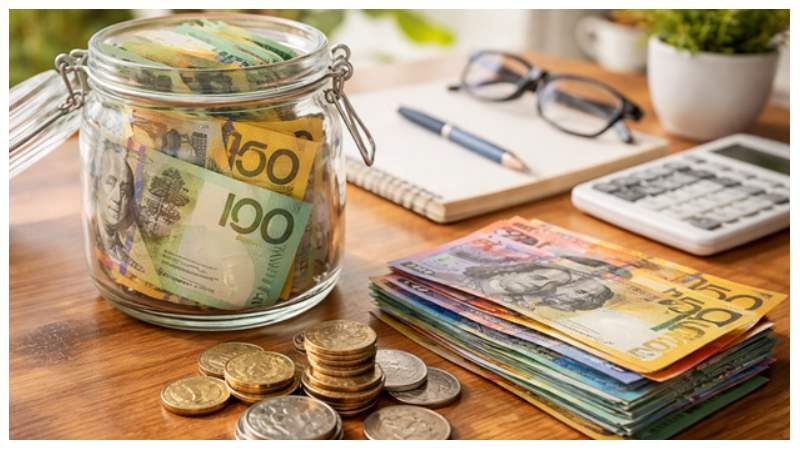
With financial security comes a sense of peace, especially in a country with increasing costs of living. Being financially healthy means you have a safety net that protects you from any unforeseen circumstances as well as serves as a tool that helps you fulfil your most ambitious plans. It is impossible to define the amount that one should save because it depends on one’s lifestyle, income, and personal goals. By dividing the savings process into particular categories, it becomes much easier to manage one’s budget and save money for a long-term period.
Emergency Savings
The first step that every person should take is to create an emergency savings account. According to financial experts, you need to have from three to six months’ worth of expenses in this account. The money serves as your financial shock absorber in case you suddenly lose your job, suffer from serious health problems, or face other unpleasant situations that might negatively affect your savings process.
Estimating the amount you need to spend every month will help you determine what sum of money you need to put in your emergency fund. You can start saving small amounts of money each time you receive your salary.
Short-Term Financial Goals
As soon as you are comfortable with the emergency savings, you can start working towards achieving your short-term financial goals. As a rule, such goals include anything that people tend to buy within one to three years: an exciting vacation abroad, a new car, or the first instalment on a house.
Once you have determined what you want to buy, pricing it out will allow you to estimate how much money you need to save. The estimated amount of money will serve as the target figure for monthly saving. It is recommended to keep your savings separate from your other accounts to avoid misusing them, and you can use the savings calculator from ING Australia, or a similar tool.
Long-Term Financial Goals
Saving long-term money is something different from putting a couple of dollars aside on a weekly basis. In this case, you are expected to save for several decades, especially if you want to have good money at the retirement age. Fortunately, there is the Australian Superannuation system that automatically withdraws money for the purpose of creating the retirement fund.
Nevertheless, mandatory employer payments may not allow you to accumulate money that you would like to have. Voluntary contributions will significantly improve your final result because of compounding interest. Investing in shares and property can also help you save money in the long term.
Tips on How to Save Money Efficiently
In order to become financially free, you have to follow several rules. There are numerous ways of saving your money but the fifty-thirty-twenty method seems to be the most efficient one. You should spend no more than fifty percent of your money on your necessities, thirty percent on your wishes, and twenty percent to saving. Automatic monthly payments will allow you to save money without even trying. You can also use apps that help you monitor your budget and spend money wisely.
Achieving Financial Security
Nowadays, everyone has to take care of themselves, their finances, and their future. If you want to secure your financial future, you have to create an emergency fund, think about your short-term goals, and invest your money wisely. Start from reviewing your budget and defining your priorities.